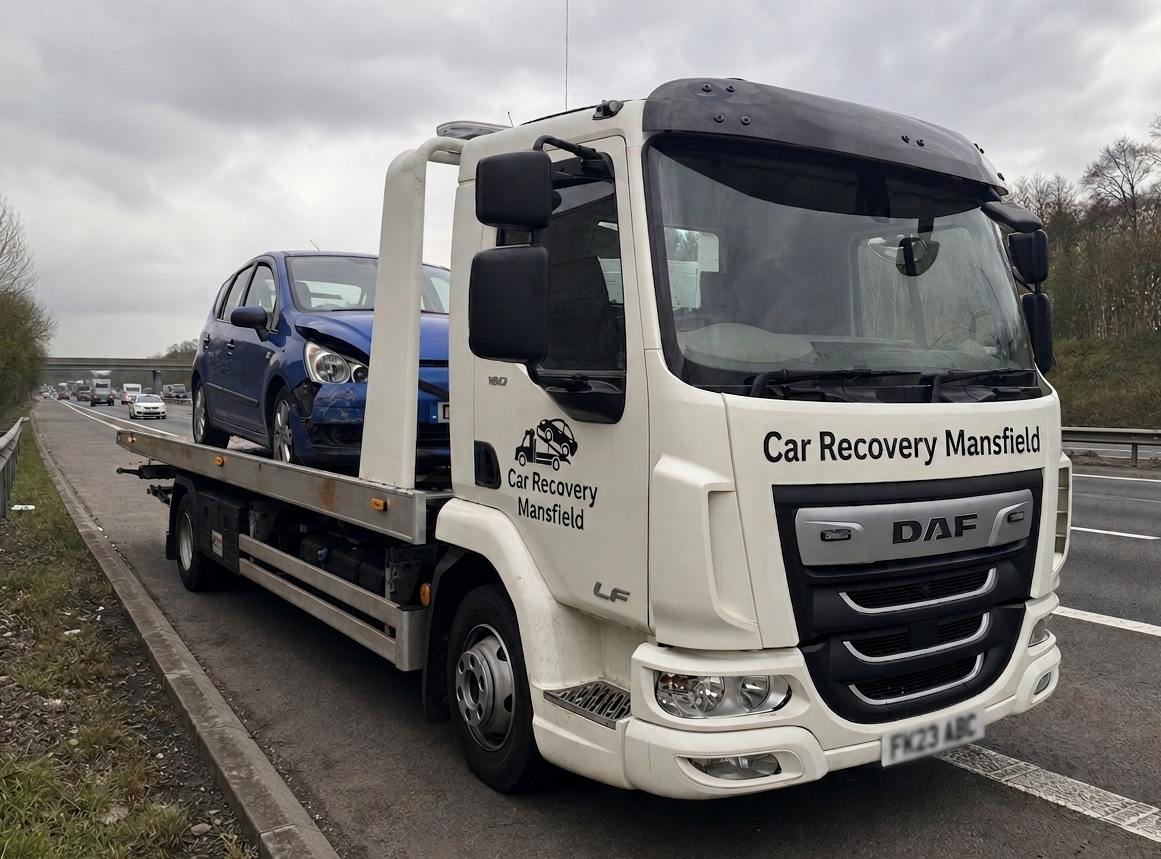
Why Professional Car Recovery Matters After a Roadside Breakdown
A roadside breakdown can happen when you least expect it. Whether you are travelling to work, visiting family or driving through an unfamiliar area, a sudden vehicle problem can quickly disrupt your plans. Engine failure, damaged tyres, steering faults and other mechanical problems can leave you stranded and unsure what to do next. Knowing how to respond can help protect your safety and prevent further damage to your vehicle.
Professional car recovery provides a practical solution when your vehicle can no longer be driven safely. Instead of attempting to continue your journey with a damaged or faulty car, you can arrange for it to be collected and transported to a repair garage or another suitable destination. This helps avoid unnecessary risks while ensuring the vehicle reaches an appropriate professional for inspection and repairs.
For motorists in Mansfield and throughout the UK, having access to dependable vehicle transportation can make an unexpected breakdown easier to manage. Whether you drive a small hatchback, family car, SUV or van, understanding the importance of professional assistance helps you make sensible decisions when problems arise.
A breakdown does not always mean your vehicle has suffered a major failure. However, even seemingly minor problems can affect roadworthiness. Recognising when to stop driving and arrange transportation is an important part of responsible vehicle ownership.
When Should You Arrange Professional Help After a Breakdown?
Knowing when to stop driving is essential for protecting yourself, your passengers and other road users. Some mechanical problems develop gradually, while others occur without warning. Although a vehicle may still be capable of moving, continuing to drive can worsen existing faults and create additional safety concerns.
Engine problems are among the most common reasons motorists require professional transportation. If your engine suddenly loses power, repeatedly stalls or refuses to start, it may be unsafe or impossible to continue your journey. Unusual knocking noises, excessive smoke or severe overheating can also indicate serious mechanical problems that require professional attention.
Braking system faults should never be ignored. If the brake pedal feels unusually soft, braking performance becomes unpredictable or warning lights indicate a possible fault, you should stop driving as soon as it is safe. A damaged braking system can significantly affect your ability to control the vehicle, particularly on busy roads or when approaching junctions.
Steering and suspension problems can also make driving dangerous. A vehicle that pulls sharply to one side, vibrates excessively or becomes difficult to steer may have damaged components. Continuing to drive under these conditions could lead to further mechanical damage or loss of control.
When a vehicle becomes undriveable away from home, motorists often search for car recovery near me to find suitable assistance in their area. Before arranging collection, it is helpful to provide the exact location, vehicle details and a clear description of the problem. This information allows the operator to understand the situation and determine what equipment may be required.
Tyre and wheel damage is another reason to consider professional transportation. A severely damaged tyre, bent wheel or suspected suspension fault can make a vehicle unstable. If the problem cannot be resolved safely by an appropriate professional, the vehicle should be transported to a suitable garage.
Overheating requires particular care. Continuing to drive when an engine is overheating can cause serious internal damage. If the temperature warning light appears or steam becomes visible, stop somewhere safe, switch off the engine and avoid opening the cooling system while it remains hot.
Fluid leaks can also indicate problems requiring immediate attention. Brake fluid, coolant, oil and other vehicle fluids are essential for safe operation. Significant leaks may affect braking performance, engine cooling or lubrication, making further driving unsafe.
Road accidents can create additional complications. Even when external damage appears limited, a collision may affect steering components, suspension systems or the vehicle's structure. Arranging professional transportation allows the vehicle to be examined without risking further damage through continued use.
If you are uncertain whether your vehicle is safe to drive, avoiding unnecessary movement and seeking appropriate assistance is generally the safer decision.
How Professional Vehicle Recovery Protects Drivers and Vehicles
When a vehicle breaks down, the priority should always be personal safety. Attempting to drive a faulty car or arrange unsuitable towing can create additional risks, particularly on busy roads or in poor weather conditions.
Professional breakdown recovery helps motorists arrange suitable vehicle collection and transportation when continuing their journey is no longer safe. The service focuses on moving the vehicle to an appropriate destination rather than attempting roadside mechanical repairs.
There are several important ways professional transportation helps protect drivers and their vehicles:
- Reducing the risks of unsafe driving: A vehicle with serious mechanical faults may behave unpredictably. Professional transportation allows it to be moved without requiring the driver to operate potentially damaged steering, braking or engine components.
- Using suitable loading equipment: Different vehicles require different handling methods. Professional operators use appropriate loading and securing equipment based on the vehicle's size, condition and collection circumstances.
- Preventing unnecessary additional damage: Driving a vehicle with damaged wheels, suspension components or mechanical systems may worsen existing problems. Careful loading and transportation can help reduce avoidable damage.
- Handling accident-damaged vehicles: Collision damage may affect the structure or mechanical components of a vehicle. Professional collection helps ensure the vehicle is moved using methods appropriate to its condition.
- Supporting motorists in unfamiliar locations: Breaking down away from home can be stressful. Arranging professional assistance allows drivers to focus on their safety while the vehicle's transportation is organised.
- Providing transportation to repair facilities: When a vehicle cannot be driven safely, it can be transported directly to a suitable garage or specialist workshop for inspection and necessary repairs.
- Reducing the need for unsafe towing attempts: Attempting to tow a damaged vehicle without suitable equipment or experience can create risks. Professional handling provides a more controlled transportation process.
- Accommodating different vehicle types: Small cars, family vehicles, SUVs and vans may have different transportation requirements. Choosing an operator with suitable equipment helps ensure the vehicle can be handled appropriately.
- Helping with difficult collection locations: Vehicles may break down on residential streets, commercial premises, rural roads or other challenging locations. An operator can assess access conditions and determine a suitable collection approach.
- Providing clear transportation arrangements: Confirming the collection location, vehicle condition and intended destination helps motorists understand what will happen before their vehicle is moved.
Safe vehicle transportation is especially important when mechanical faults affect essential systems. A car with damaged steering, faulty brakes or broken suspension components may not respond normally if someone attempts to move it.
The correct loading method depends on the vehicle's condition. Some vehicles can be winched onto a suitable platform, while others may require additional equipment or specialist handling.
Weather and road conditions can also influence collection arrangements. Heavy rain, icy surfaces, poor visibility and busy traffic may make roadside situations more difficult. Motorists should remain in a safe location and follow relevant road safety guidance while waiting for assistance.
It is important to understand that professional vehicle transportation is not the same as roadside repair work. Mechanical repairs, fuel delivery and lockout assistance are separate services. When specialist attention is required, the vehicle can instead be transported to an appropriate professional.
Choosing suitable transportation helps ensure the vehicle reaches its destination without relying on components that may already be damaged or unsafe.
What Happens During the Vehicle Collection and Towing Process?
Experiencing a breakdown can feel overwhelming, particularly if you have never arranged professional vehicle transportation before. Understanding the collection process can help you prepare and make the situation easier to manage.
A professional car recovery service typically begins by gathering information about the vehicle, its location and the problem that has occurred. These details help determine what equipment may be needed and whether any particular loading arrangements should be considered.
The usual collection and transportation process involves the following steps:
- Contacting the provider: Explain that your vehicle has broken down and describe the problem as accurately as possible. Mention any unusual noises, warning lights, visible damage or mechanical faults.
- Sharing your exact location: Provide a postcode, road name, nearby landmark or other useful location information. If you are on a motorway, use available location markers where appropriate and follow motorway safety guidance.
- Providing vehicle details: Tell the operator the make, model and type of vehicle. This helps determine whether the available equipment is suitable for its size and weight.
- Describing the vehicle's condition: Explain whether the wheels turn freely, the steering works normally or any components have been damaged. This information may affect how the vehicle can be loaded.
- Confirming the destination: Decide whether the vehicle should be transported to a repair garage, specialist workshop, suitable storage location or another agreed destination.
- Assessing the collection area: On arrival, the operator considers the vehicle's position, surrounding traffic, available space and any obstacles that could affect loading.
- Preparing the vehicle for transportation: Depending on its condition, the vehicle may need to be positioned carefully before loading begins. Suitable equipment is used to avoid unnecessary strain on damaged components.
- Loading the vehicle: The operator uses an appropriate method to move the vehicle onto the transportation platform or prepare it for another suitable towing arrangement.
- Securing the vehicle: Once loaded, the vehicle is secured using suitable restraints. Proper securing helps prevent unwanted movement during transportation.
- Transporting the vehicle: The vehicle is taken to the agreed destination, with the transportation method chosen according to its condition and requirements.
- Completing the handover: At the destination, the vehicle is unloaded carefully so that further inspection or repair arrangements can be made.
Before the operator arrives, motorists should take sensible precautions. If the vehicle has stopped on a busy road, personal safety must come first. Move to a safe location when possible, avoid standing close to moving traffic and follow instructions from emergency services where necessary.
If you are on a motorway, the safest action depends on your location and whether you can reach a suitable place of safety. Follow official motorway breakdown guidance and seek emergency assistance if there is immediate danger.
When safe, gather essential belongings before the vehicle is collected. You may also wish to have the destination address ready so the transportation arrangements can be confirmed without unnecessary delays.
Communication is particularly important when a vehicle has suffered significant mechanical or accident-related damage. Informing the operator about leaking fluids, damaged wheels or restricted steering can help them prepare for the collection.
Motorists should also understand that the transportation provider's role is to collect and move the vehicle safely. If the car requires mechanical repairs, replacement parts or specialist diagnosis, these tasks should be carried out separately by an appropriate repair professional. Knowing what to expect helps drivers feel more prepared and allows the collection process to proceed with fewer complications.
Choosing a Dependable Vehicle Recovery Provider in Mansfield
Selecting a suitable provider is an important decision when your vehicle becomes undriveable. A dependable operator should prioritise safe handling, clear communication and appropriate transportation arrangements.
For motorists in Mansfield, local road knowledge can be helpful when arranging collection. The town has a mixture of residential streets, busy shopping areas, commercial premises and surrounding routes that connect drivers with nearby communities.
Roads such as the A60 and A38 are important routes around Mansfield, while the wider area connects motorists with destinations across Nottinghamshire and neighbouring counties. Breakdowns can happen on any of these roads, making accurate location details especially useful when arranging assistance.
However, the same considerations apply throughout the UK. Whether you are stranded in a town centre, rural area, residential neighbourhood or near a major road, choosing a provider that understands the collection requirements can help make the process more straightforward.
When comparing providers, consider whether they can accommodate your vehicle's size and condition. A small hatchback may require different handling from a larger SUV or commercial van, particularly when mechanical components have been damaged.
Motorists looking for breakdown and recovery assistance should also consider how clearly the provider explains its services. A professional operator should be able to discuss collection requirements, confirm the intended destination and explain any relevant limitations before transportation begins.
Communication is another important factor. Being stranded can be stressful, particularly during poor weather or when travelling with passengers. A provider that explains the arrangements clearly can help reduce uncertainty.
It is also sensible to confirm the destination before the vehicle is collected. Whether you prefer a local garage, specialist workshop or another suitable location, agreeing on the destination helps avoid misunderstandings.
Vehicle handling should remain a priority throughout the process. Damaged wheels, steering faults, suspension problems and accident-related damage may affect the loading method. Appropriate equipment and careful preparation help reduce unnecessary risks.
Professionalism is not simply about collecting a vehicle. It also involves understanding the customer's circumstances, assessing the transportation requirements and ensuring that the vehicle is handled with suitable care.
By choosing a dependable provider, motorists can arrange transportation with greater confidence and focus on getting their vehicle inspected by the appropriate professionals.
A roadside breakdown can disrupt your journey without warning, but knowing how to respond can make the situation safer and easier to manage. Serious mechanical faults, damaged wheels, braking problems and other conditions affecting roadworthiness should never be ignored.
When a vehicle cannot be driven safely, arranging professional car recovery helps reduce unnecessary risks and prevents motorists from relying on potentially damaged components. Suitable loading equipment, careful handling and clear communication all contribute to a safer and more controlled transportation process.
Whether you are travelling through Mansfield or another part of the UK, prioritising safety and choosing a dependable towing provider is essential. Understanding when assistance is needed and what to expect during collection can help you make informed decisions following an unexpected breakdown.
Car Recovery Mansfield offers motorists a practical option for arranging professional vehicle collection and transportation when unexpected breakdowns interrupt their journeys.
We understand that being stranded can be inconvenient and worrying, particularly when you are away from home or unfamiliar with the surrounding roads. Our car recovery solutions focus on safe vehicle transportation, straightforward communication and careful handling to help make the experience less stressful.
Whether your car has developed an engine fault, suffered mechanical damage or become undriveable following an accident, we aim to help you arrange transportation to a suitable repair garage or another agreed destination.
We recognise that different vehicles require different handling arrangements. Providing accurate information about your vehicle and its condition helps us assess the collection requirements and identify an appropriate transportation approach.
Our focus is on making the process as straightforward as possible while prioritising safe vehicle handling and clear arrangements. We aim to help motorists understand what information is needed and where their vehicle can be transported.
If your vehicle has broken down and is no longer safe to drive, contact our team today to discuss your collection requirements. We can help you arrange professional towing to a suitable garage or another destination of your choice, allowing you to take the next steps towards having your vehicle inspected and repaired.
Check out our latest X update on why professional
car recovery matters after a roadside breakdown and how it helps ensure safe and reliable vehicle transportation!
You might also like